• This is Part 2 in a series called “To Switch or Not To Switch” about whether or not my gaming group should switch to Dungeons and Dragons, 5th Edition, or stay with Pathfinder.


    Our gaming group has a varied background when it comes to RPGs. We even enjoy it for different reasons – some are more calculating/mechanics-focused, some are driven more by story/character, and a couple of folks mostly like the social aspect of nerds gathering around a table, no matter what game gets played. This doesn’t bother me, but it does create some situations where one might lose the perspective of a fellow adventurer.

    In particular this comes up over rules. Many gamers online have praised 5th ed for its ease of keeping the game going, but I’ve never found the Pathfinder rules to be cumbersome. I find us getting each others way to be cumbersome, because we all have different experiences and confuse the rules a lot. Since I’m still a new DM, I don’t really have the knowledge base to take the “supreme leader” approach to rules in those times.
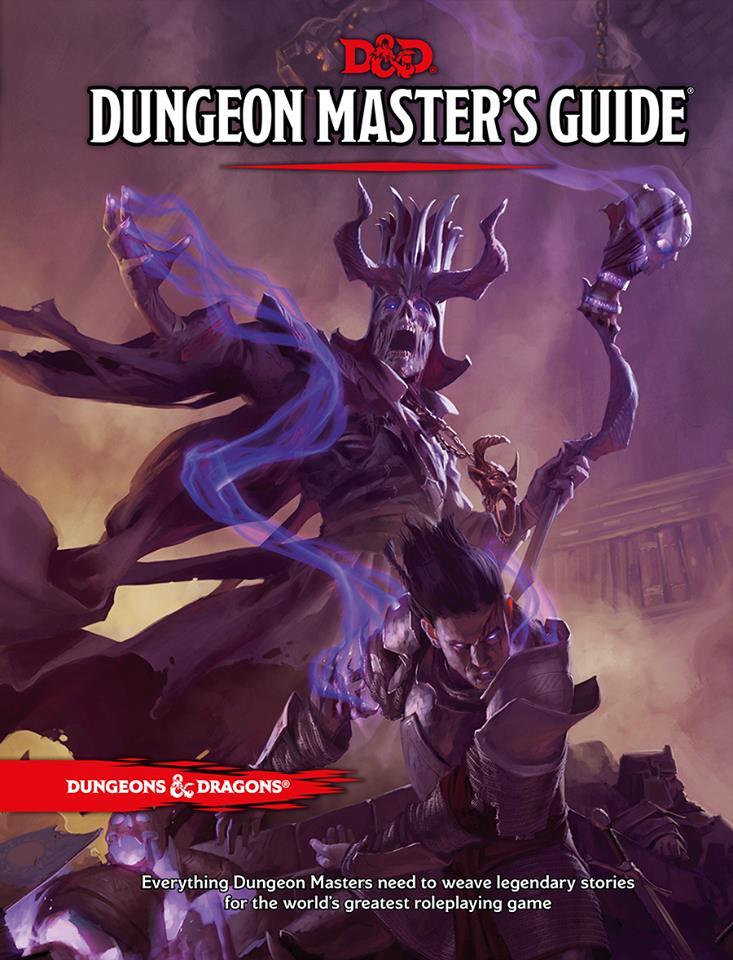
    Dungeon Master's Guide for Dungeons & Dragons 5th Edition
    Dungeon Master’s Guide for Dungeons & Dragons 5th Edition

    If we did the switch to 5th ed, we’d all be doing it together. The new rules would be a shared experience and we’d all be on the same page. I think we’d feel the ease of use as well, mostly because people will get back to basics on what is true of all these systems:

    1. The DM explains your current environment, conditions, and story
    2. You say what your character does
    3. The DM narrates what happens

    A lot of disruptions to the story fly out the window if everyone will stick to that core. If someone starts trying to do some Skill check or a really my mechanics-driven scheme, my best response as DM will likely be, “What do you want to do?” And if someone isn’t sure of the rules at all, the best response is the same. Once a player explains what they want in story terms, any rules system can be used to make it happen somehow.
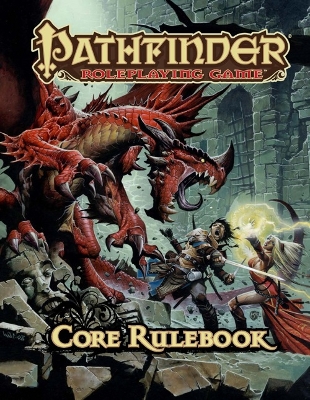
    pathfinder core rulebook

    Right now the response to someone wanting to use a mechanic is along the lines of “Uhhh, Amber, Danny what do you think? Stealth and Acrobatics? Maybe just do a general dex?” Because while I pride myself on having prepared some great stories, I’m not a rule expert on Pathfinder at the moment. If we decide to stick with it I plan to read up and fix that problem – but I still fear situations where DM-by-committee accidentally happens.

    If we switch to 5th ed I think we’ll end up having a session that’s all rules and character creation – maybe a quick battle to chuck more dice. My hope being that session would develop a shared trust that any of us could DM and their judgment would be fair. Any time we argue rules later on, we can address our understanding of when we learned the rules together.

    The downside – it’s not really fun to learn new rules. I’ve outlined some troubles we face sometimes here, but it’s not like those rules discussion ever ruin a gaming session. We still kill the bad guy, move on with the story and level up. That’s a lot more fun than talking theoreticals and figuring out a new character sheet.

    But would that step back lead to two steps forward?

  • I was really into prepared piano in college. Drukqs is a great album and an even better one if you like prepared piano. This song came up in a piano playlist I listened to on Spotify this week.

  • If you start a tweet with the letters
    DM
    it makes Twitter send a direct message instead of just tweeting.

    Very sorry to the twitter user with handle @is who (multiple times) received a direct message from me when I was trying to talking about being a Dungeon Master (DM) in the context of Dungeons and Dragons. Finally got the tweet to go through regularly though:

    https://twitter.com/alexjgustafson/status/635116325325676544

    ,
  • Make the mistake of focusing too much on what matters most, not too little, and relentlessly protect your time from everything else.

    via Sam Altman.

    Some good advice for the rest of your life too. Figure out what matters most and focus on that to the point of too much effort. Avoid the fake work that goes along with everything else. Tons of other nuggets in Sam’s post.

  • Really enjoyed this puzzle at the New York Times:

    Puzzle: Are You Smarter Than 56,374 Other New York Times Readers?

    You didn’t win, but you do get a consolation prize: 850 words about human psychology and behavioral economics explaining the error of your ways.

    I’ll still pride myself on recognizing the “problem” of understanding the rules fully and how the difficulty to guess the answer really lies in failing to understand who irrational people will be when playing. Totally nailed the Nash equilibrium part – wasn’t really sure where to go after that. So I was way off in my guess.

    Play the puzzle, read the article. Play more games.

    Are_You_Smarter_Than_Other_New_York_Times_Readers__-_The_New_York_Times

  • Don’t try to create and analyze at the same time. They’re different processes.Sister Corita Kent, Immaculate Heart College Art Department Rules

    (Hat tip: Simon)

  • Really enjoying Quiet: The Power of Introverts in a World That Can’t Stop Talking by Susan Cain. Book review coming next week (probably.)

    One thing I learned was the importance of monitoring and tweaking the amount of stimulation around me when I’m working. Little things like turning my music a little bit lower than usual and sitting in different ways that let me rest a little more solidly have made great impacts on how well I can focus while working from home.

    Most of my home office strategies have revolved around eliminating distractions. This idea of measuring things in terms of stimuli and response has helped more than my general efforts like “no video content before 3pm” or “email only twice a day.”

  • This is Part 1 in a series called “To Switch or Not To Switch” about whether or not my gaming group should switch to Dungeons and Dragons, 5th Edition, or stay with Pathfinder.


    Just started my rpg group on a homebrewed quest in Andoran, part of the Pathfinder universe. I’ve put a lot of thinking into the story and it’s exciting to get the adventurers on their way. Everyone seemed to buy into the hook and the random encounters on their first travel day proved a good introduction to the content.

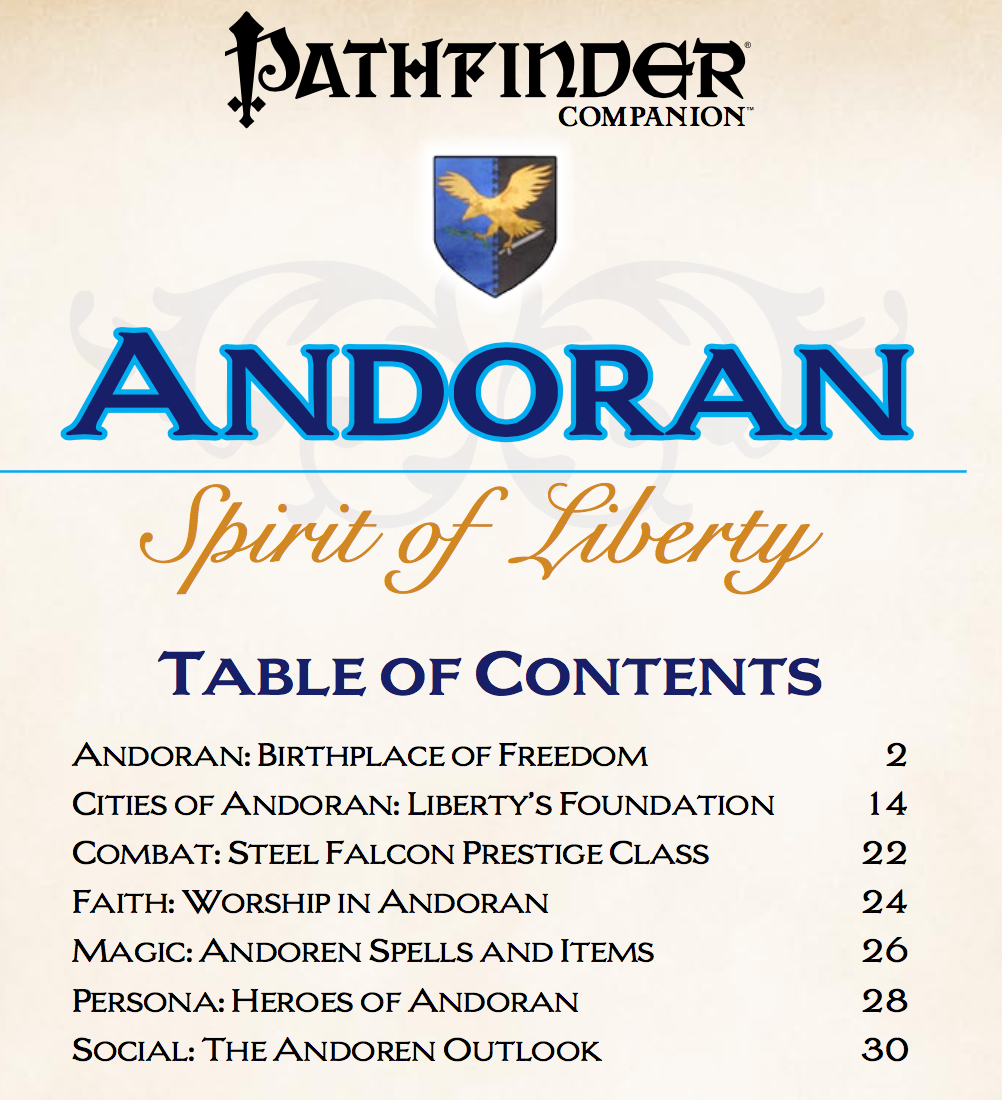
    Should this campaign prove successful a good part of it will be thanks to the information in the Pathfinder Companion, Andoran, Spirit of LibertyIt’s 30 pages of information that really brings the continent to life. Whereas an adventure lays out the story for adventurers to play out, this is the reference material to fill in the details. I’ll supply the story, but this guide helps me make the world fit together a lot better than I can do on my own.

    The table of contents may give you an idea of the material a Pathfinder Companion contains
    The table of contents may give you an idea of the material a Pathfinder Companion contains

    Writing this campaign has made me realize just how difficult world-building is. If you try to blank-slate homebrew everything, you’ve got your work cut out for you. But I find after a few minutes of studying this source material I can usually come up with a few hooks and a plot that will make the next couple sessions a lot of fun.

    One of my concerns about switching from Pathfinder to Dungeons and Dragons 5th Edition (5e) is that I’ve only recently discovered how much better a DM I am with source material, but the two systems publish that material with wildly different formats. Paizo publishes a new Pathfinder Companion every month, and there are years of back companions I can work with. Each one isn’t all that expensive and it’s enough that I can homebrew campaigns.

    D&D 5e really doesn’t have this kind of material yet. A source book called Sword Coast Adventurer’s Guide is due out in November 2015, and it’ll be about $40. In addition to that, 5e does have a few Adventure Paths ready – long form campaigns that will take a party of characters from Level 1 through Level 15 with one huge story.

    That kind of Adventure Path might work well for us! I would do a lot less homebrewing and more module studying, and that’s how I got my start as dungeon master. Pathfinder offers this kind material as well – but once again they offer it not only as big books but also in monthly doses I can subscribe (and not subscribe) as I like.

    Both seem stable – but clearly Pathfinder has more room for options. 5e has fewer options, but may actually be what I need instead of help with world-building as I go. It’s a tough call.

    My heroes still have a ways to go in this quest, but once they reach the end I think we’ll have an epic enough moment our group can take a pause and decide whether we want to stick with Pathfinder or make the switch to 5e. I’ll make few more posts on my thoughts on the switch during that time.

  • This track came up in my Spotify “Discover Weekly” playlist and it was amazing for working. I ended up listening to the album “Drawn Onward” on loop while working all day.